
Sony A7 IV vs Canon EOS R6 Mark II (2026): Which Camera Should You Buy?
Choosing between the Sony A7 IV and Canon EOS R6 Mark II can be difficult. Both are powerful full-frame mirrorless cameras designed for photographers, videographers, and content creators who want excellent photo and video performance from one camera.
The Sony A7 IV offers a higher-resolution 33MP sensor and access to Sony’s extensive E-mount lens ecosystem. The Canon EOS R6 Mark II, meanwhile, combines a 24.2MP sensor with fast continuous shooting and strong video capabilities.
So which one should you buy in 2026?
In this Sony A7 IV vs Canon EOS R6 Mark II comparison, we’ll look at image quality, autofocus, video, burst shooting, stabilization, lenses, battery life, and overall value.
| Feature | Sony A7 IV | Canon EOS R6 Mark II |
|---|---|---|
| Sensor | 33MP Full Frame | 24.2MP Full Frame |
| Mount | Sony E | Canon RF |
| Stabilization | 5-axis IBIS | 5-axis IBIS |
| Mechanical Burst | Up to 10 fps | Up to 12 fps |
| Electronic Burst | Up to 10 fps | Up to 40 fps |
| 4K 60p | Super 35 crop | Full-width available |
| Internal Color | 10-bit 4:2:2 | 10-bit options available |
| Card Slots | Dual | Dual |
| Best For | Resolution & hybrid use | Speed & hybrid use |
Specifications can depend on recording mode and settings, so always check the manufacturer’s current documentation before purchasing.
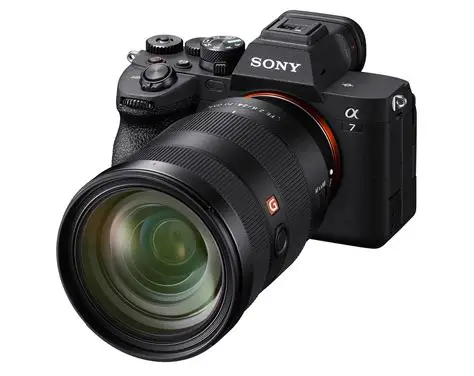
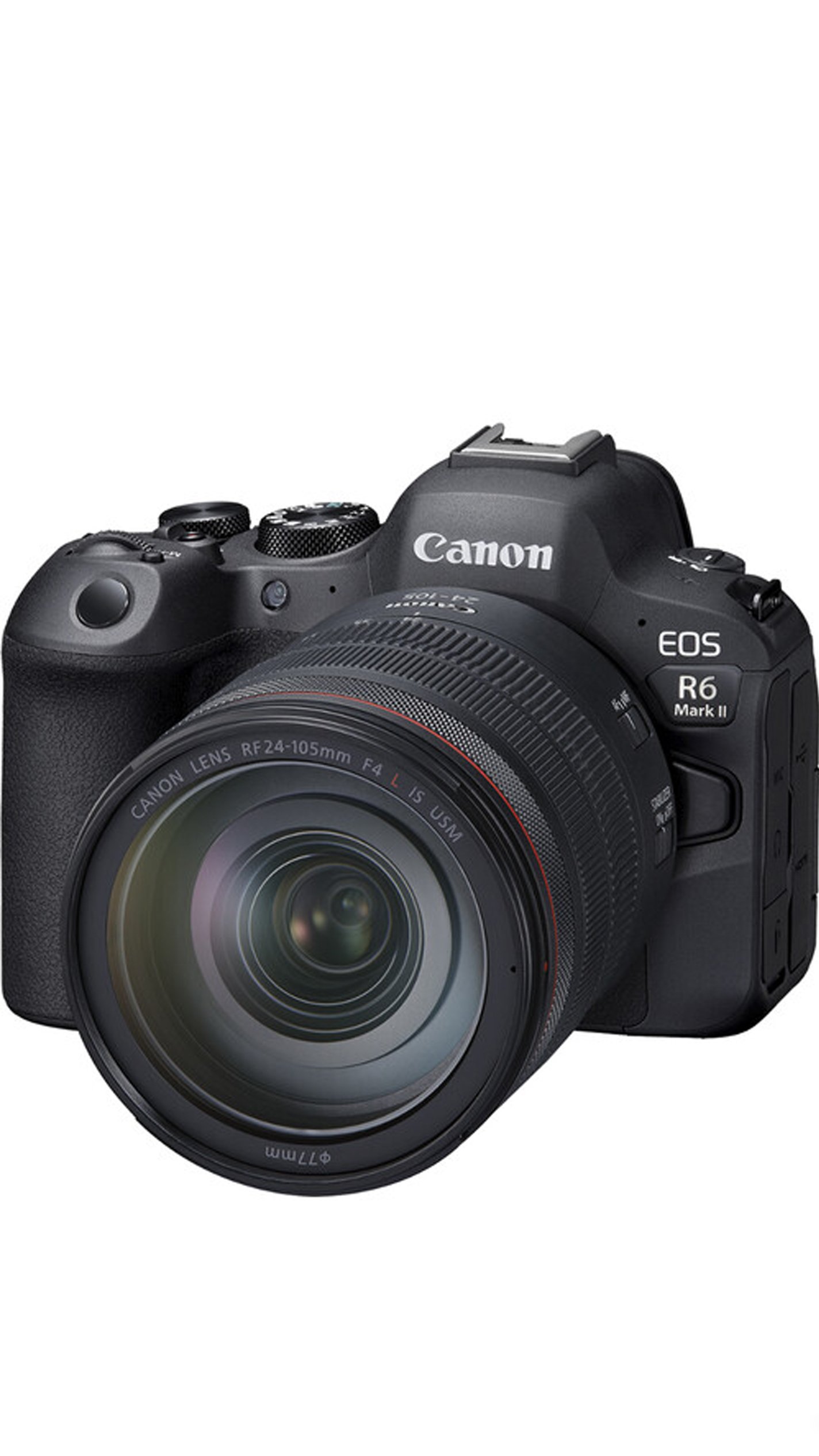
Design and Handling
Both cameras are designed for serious hybrid shooters, but they feel different in the hand.
The Sony A7 IV has a compact, professional body with extensive customization. Sony provides plenty of programmable controls, and photographers who already use the E-mount system will feel at home.
The Canon EOS R6 Mark II has Canon’s familiar ergonomics, with a comfortable grip and straightforward physical controls. For photographers who frequently change settings while working quickly, Canon’s control layout can be particularly appealing.
There isn’t a universal winner here. Handling is personal, so trying both cameras in person is worthwhile when possible.
Image Quality
If resolution is your priority, the Sony A7 IV has the advantage on paper.
Its 33MP full-frame sensor provides more resolution than the 24.2MP sensor in the Canon EOS R6 Mark II. That extra resolution can be useful for cropping, landscapes, commercial photography, and detailed portraits.
However, more megapixels don’t automatically mean better photographs.
The Canon R6 Mark II still provides plenty of resolution for professional portraits, weddings, events, social media, and most commercial work.
Winner for resolution: Sony A7 IV
For most photographers, however, both cameras can deliver excellent results.
Autofocus
Autofocus is one of the strongest areas for both cameras.
Sony has built a strong reputation around subject detection and tracking, and the A7 IV provides sophisticated autofocus for both still photography and video.
Canon’s Dual Pixel CMOS AF II system in the R6 Mark II is also extremely capable, with strong subject detection and tracking.
For portraits, weddings, content creation, events, and everyday photography, either system can perform at a very high level.
Winner: Tie for most users
Rather than choosing solely on autofocus, consider the lenses you plan to use and the type of subjects you photograph.
Continuous Shooting
This is where the Canon becomes particularly interesting.
The Sony A7 IV reaches up to approximately 10 fps continuous shooting, while the Canon EOS R6 Mark II can shoot up to 12 fps with its mechanical shutter and considerably faster with its electronic shutter under appropriate conditions.
That makes the Canon particularly attractive for:
Fast-moving subjects
Sports
Wildlife
Events
Action photography
Winner for speed: Canon EOS R6 Mark II
Video Performance
Both are excellent hybrid video cameras, but there is an important difference.
The Sony A7 IV can record high-quality 4K footage and offers 10-bit recording, S-Log3 and S-Cinetone. However, 4K 60p uses a Super 35 crop.
The Canon EOS R6 Mark II provides strong 4K capabilities as well and can offer full-width 4K 60p, making it attractive to creators who regularly shoot higher-frame-rate 4K video.
Sony remains an excellent choice for creators who like its color profiles, autofocus behavior, and broader E-mount ecosystem.
Winner for 4K60 flexibility: Canon EOS R6 Mark II
For regular YouTube videos, interviews, talking-head content and 4K30 production, both are more than capable.
Image Stabilization
Both cameras feature in-body image stabilization.
IBIS is useful when shooting handheld photography and can help smooth smaller movements during handheld video.
However, neither camera’s stabilization should be viewed as a complete replacement for a gimbal when you need highly controlled cinematic movement.
Winner: Tie
Lenses and System
This category can matter more than the camera body itself.
Sony’s E-mount has been available for many years and offers a large selection of Sony and third-party lenses across different budgets.
Canon’s RF system includes excellent lenses and continues to expand, but your preferred lenses and budget should be checked before choosing a body.
This is why I recommend looking at the total system price, not just the camera price.
A $2,000 camera body isn’t really a $2,000 purchase if the lenses you need add several thousand dollars.
Winner for lens variety: Sony E-mount
Sony A7 IV: Pros and Cons
Pros
- 33MP full-frame resolution
- Excellent autofocus
- Strong photo and video performance
- 10-bit video recording
- Large E-mount lens selection
- Great all-around hybrid camera
Cons
- 4K60 has a Super 35 crop
- Burst speed is modest compared with the Canon
- Menu and customization can take time to learn
Canon EOS R6 Mark II: Pros and Cons
Pros
- Excellent autofocus
- Very fast burst shooting
- Strong 4K video capabilities
- Excellent ergonomics
- Effective hybrid performance
- Great option for action and events
Cons
- Lower resolution than the Sony
- RF lens choices and prices should be considered carefully
- Electronic shutter performance depends on the shooting situation
Which Is Better for Photography?
For photographers who prioritize resolution and cropping flexibility, I’d lean toward the Sony A7 IV.
For sports, wildlife, events, and other situations where burst speed is particularly important, the Canon EOS R6 Mark II has a compelling advantage.
For portraits and weddings, either can be an excellent choice.
Which Is Better for Video?
This is much closer.
If you frequently want 4K60 without the Sony A7 IV’s Super 35 crop, the Canon R6 Mark II is particularly attractive.
If you value Sony’s ecosystem, S-Cinetone/S-Log workflows, and already own E-mount lenses, the A7 IV remains a strong video camera.
So don’t switch systems based on one specification alone.
Which Is Better for Content Creators?
For a creator buying into a completely new system, I would consider three things before anything else:
- What type of content will you make?
- Which lenses will you need?
- What is your total budget including audio, storage and lighting?
Both cameras are far more capable than most creators actually need.
If you’re just starting, you may not need either one. You can also read our Best Cameras for YouTube Beginnersguide before spending this much on a camera.
Internal link: Make “Best Cameras for YouTube Beginners” link to your existing beginner-camera article.
Sony A7 IV vs Canon R6 Mark II: Which Should You Buy?
Choose the Sony A7 IV if you prioritize:
- Higher resolution
- Cropping flexibility
- A large lens ecosystem
- Balanced photo and video use
Choose the Canon EOS R6 Mark II if you prioritize:
- Faster continuous shooting
- Action and event photography
- Full-width 4K60 options
- Canon ergonomics
My Verdict
There isn’t one winner for everyone.
For photographers who want additional resolution and access to a broad E-mount lens ecosystem, the Sony A7 IVremains a compelling hybrid camera.
For creators and photographers who prioritize speed and flexible 4K60 recording, the Canon EOS R6 Mark II may be the better fit.
The best choice ultimately depends on what you shoot—not which logo is on the front of the camera.
Read the Full Reviews
Buraya iki büyük kart veya buton koy:
Sony A7 IV Review (2026)
Sony inceleme yazına bağla.
Canon EOS R6 Mark II Review (2026)
Canon inceleme yazına bağla.
Bu iki internal link bu yazı için özellikle değerli.
Frequently Asked Questions
Neither is universally better. The Sony provides higher resolution, while the Canon offers considerably faster electronic burst shooting and strong 4K60 capabilities.
Both are strong video cameras. Canon’s full-width 4K60 capability can be an advantage, while Sony offers strong professional recording options and an established E-mount ecosystem.
Both are advanced cameras. Beginners with a smaller budget should consider whether a less expensive body would leave more money for lenses, lighting and audio equipment.
It can still be a very capable hybrid camera in 2026, but its value depends heavily on current pricing and what newer alternatives cost when you’re ready to buy.
Learn With Saba
Proudly powered by WordPress